



Radon Short Term Test Kit
Radon Short Term Test Kit
Couldn't load pickup availability
What do I test?
What do I test?
This short-term radon test kit measures the levels of radon gas in your home over a two to seven day period. Place the detector in your basement, nursery, or living areas where radon is most likely to accumulate, and discover if this invisible, odorless gas is present at unsafe levels.
How does it work?
How does it work?
The kit uses a proven charcoal adsorption method to capture radon particles in the air. After the testing period, you simply seal the detector and send it to a certified laboratory using the included mailer. Within days, you’ll receive clear, accurate results showing whether your home’s radon levels are within safe limits or require mitigation.
More about Radon testing
More about Radon testing
>> Check out our knowledge hub with dozens of articles on radon testing!
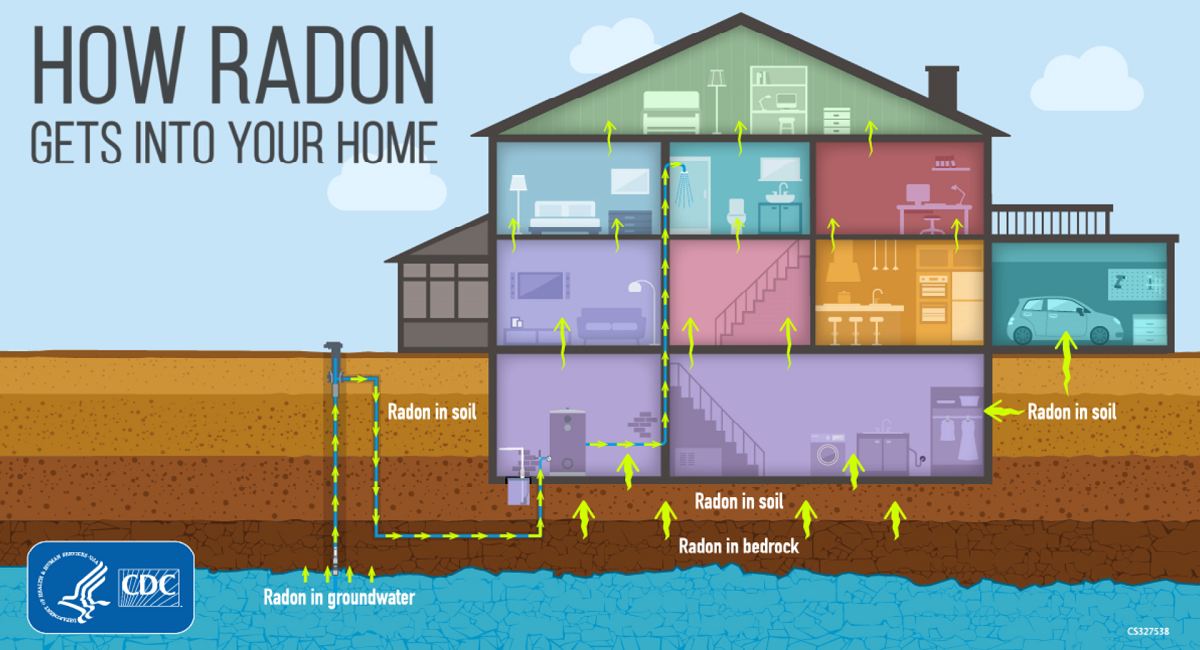
Radon is the second leading cause of lung cancer in the United States, yet it cannot be seen, smelled, or tasted. Because it enters through the ground, every home is at risk regardless of age or location. A short-term radon gas test provides an affordable and reliable first step to protecting your family. For parents preparing a nursery or families living in older homes, this test delivers peace of mind and the knowledge needed to take action if radon is present.
Built on over 20 years of expertise in professional testing, used by the EPA, WHO, FDA, and USDA, our kit transforms industrial-grade science into a simple, family-friendly tool.
- Lab-Grade Accuracy at Home: Proven technology trusted in industrial and regulatory standard.
- Peace of Mind in Minutes: Easy step-by-step use with clear, visual results.
- Family-First Innovation: Developed by a family business committed to protecting homes worldwide.
This home radon test kit helps you detect radon gas in 2-7 days with certified lab analysis, giving you a clear way to check indoor air safety early. Radon is an odorless gas and is recognized as the second leading cause of lung cancer, so testing is a practical first step for protecting your household.
- Results available in 2-7 days after testing
- Certified lab analysis for reliable reporting
- Simple setup designed for home use
- Detects odorless radon gas that cannot be identified by smell
- Useful for basements, ground-floor rooms, rentals, and real estate checks
Compared to guessing based on location, home age, or odor, a radon test gives measurable information you can act on. Unlike air quality issues you may notice right away, radon has no smell, so testing is the only dependable way to know whether it is present in your space.
This kit is a good fit for homeowners, renters, home buyers, and families who want a quick check before renovations, after moving in, or as part of routine indoor air monitoring. Use it in basements, bedrooms, nurseries, or frequently used lower-level living areas where radon exposure can be a concern. If you want a straightforward way to screen your home and get lab-backed results, this test kit makes the process easy.

Frequently Asked Questions
What does this test detect?
What does this test detect?
This kit screens your home’s air for radon gas—no electronics or technical setup required.
Do I need special equipment? Or lab testing?
Do I need special equipment? Or lab testing?
All professional lab analysis fees are covered (excluding NJ state fees). Just mail your sample for testing.
How accurate are the results?
How accurate are the results?
The test is designed for sensitive detection, giving you a reliable early warning when radon gas is present.
How fast are results?
How fast are results?
Receive a digital report by email within 72 hours after the lab receives your test kit.
What if I get a positive result?
What if I get a positive result?
We recommend installing a radon mitigation system to vent the gas safely outside. You should also retest after mitigation and periodically to ensure levels remain low.
What does a radon test kit detect in my home?
What does a radon test kit detect in my home?
A radon test kit detects radioactive radon gas that seeps into your home through cracks in floors, walls, and foundations. Radon is colorless, odorless, and the second leading cause of lung cancer in the U.S. Our kit measures radon levels in picocuries per liter (pCi/L) to determine if your home exceeds the EPA action level of 4 pCi/L.
How do I use a DIY radon test kit at home?
How do I use a DIY radon test kit at home?
Using our DIY radon test kit is simple: place the detector in the lowest livable area of your home (basement or ground floor), keep windows and doors closed, and wait 2-7 days. Then seal the detector and mail it to our certified lab using the prepaid envelope. You'll receive your results within days—no technical expertise required.
How long does a home radon test take to get results?
How long does a home radon test take to get results?
Our home radon test requires 2-7 days of exposure time in your home, followed by lab analysis. After you mail the sealed detector, you'll typically receive certified results within 3-5 business days. The entire process from start to finish takes approximately 1-2 weeks, giving you fast, accurate answers about your home's radon levels.
Should I test my basement and nursery for radon gas?
Should I test my basement and nursery for radon gas?
Yes, absolutely. Basements typically have the highest radon concentrations since radon enters through the ground. Nurseries and children's bedrooms should also be tested because children breathe faster than adults, increasing their exposure risk. We recommend testing every room where your family spends significant time, especially ground-floor and below-grade spaces.
